Navy & Military Design: Crafting with Purpose and Precision
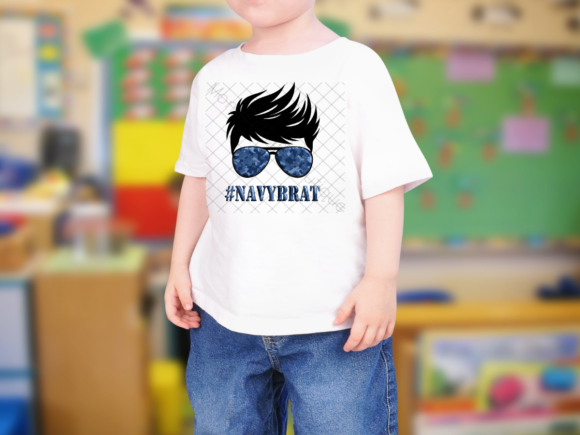
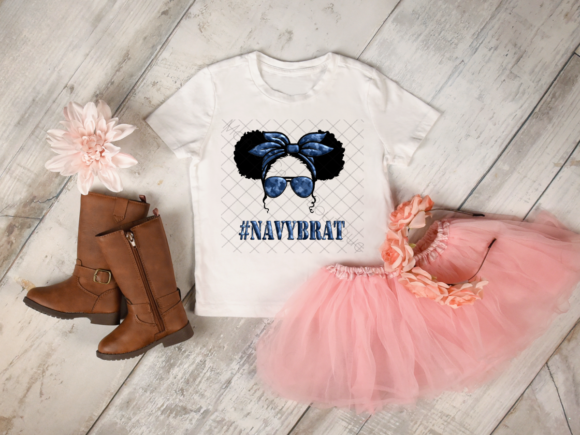
There’s a certain weight to military and naval imagery. It’s not just about camouflage or anchors; it’s about heritage, grit, and a structured aesthetic that commands respect. When you’re working on a project—whether it’s a custom tumbler for a veteran or a decal for a military spouse’s car—you aren't just applying a sticker. You are engaging with a visual language that represents sacrifice and discipline. The challenge for crafters is finding designs that honor this weight without falling into cliché or, worse, trademark infringement. This is where the "Navy Life" and "Man" collections step in, offering a bridge between authentic military styling and the practical needs of modern digital crafting.
The Anatomy of Military Aesthetic in Digital Design
Understanding the visual characteristics of this niche is the first step to using it effectively. The "Navy" and "Military" design archetypes rely heavily on bold typography and iconic symbols—think stars, eagles, dog tags, and anchors. However, the appeal isn't just in the icons; it's in the personality they project. These designs are rarely whimsical. They are authoritative, sturdy, and timeless.
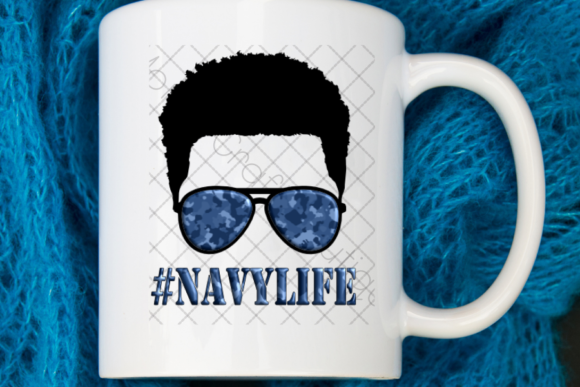
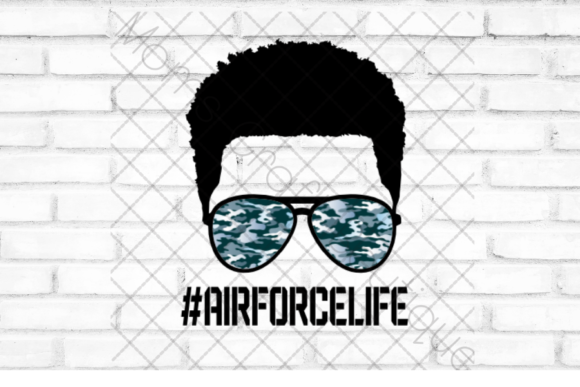
When you select a design from a collection focused on "Navy Life," you are looking for specific visual traits. The lines are usually clean and decisive, mimicking the precision required in the armed forces. The "Man" designs often incorporate distressed textures or block lettering, giving them a rugged, industrial feel that appeals to a demographic that values authenticity over polish. This isn't the soft, flowing aesthetic of a wedding invitation; it is a design language that speaks to strength.
Visual Hierarchy and Brand Perception
In branding and design, visual hierarchy guides the viewer's eye. Military-themed designs naturally create a strong focal point. A bold "Navy" graphic on a tumbler doesn't just decorate the vessel; it defines the user's identity. For entrepreneurs and small business owners, this is a powerful tool. If you are selling to military families, using these robust design assets signals that you understand their world. It builds immediate rapport.
Consider the psychology of color and form here. While the files are often provided in PNG format for versatility, the underlying design principles favor high contrast. This ensures that whether you are printing on a dark fabric or cutting a vinyl decal for a car window, the integrity of the design remains intact. It’s a practical application of design theory: strong contrast equals high readability, which is essential for branding materials that need to be understood at a glance.
Practical Application: From Screen to Substance
The transition from a digital file to a physical product is where many designs fail. A graphic might look stunning on a high-resolution monitor but turn into a jagged mess when sent to a cutting machine. This is the reality of working with files that aren't "optimized for cutting." For the Cricut crafter or Silhouette user, the technical specifications matter more than the artistic flair.
When a shop mentions that files are created with "your machine in mind," they are addressing the specific pain points of the crafting community. Clean vector paths (or high-resolution PNGs that trace well) are the difference between a smooth cut and a ruined sheet of vinyl. For "Navy Life" designs, which often feature intricate details like rope knots or feathered eagle wings, this optimization is critical. If the nodes in the digital file aren't simplified, your cutting machine will hesitate, drag, and tear the material.
The "Tumbler" Factor
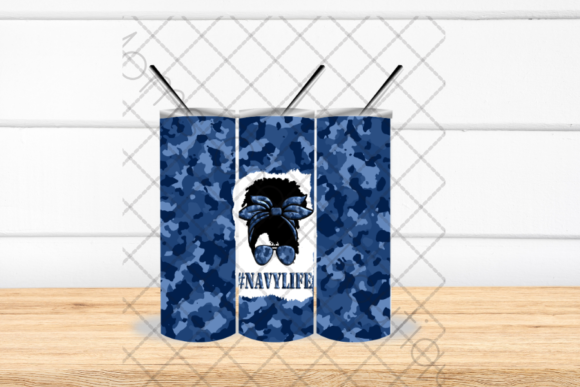
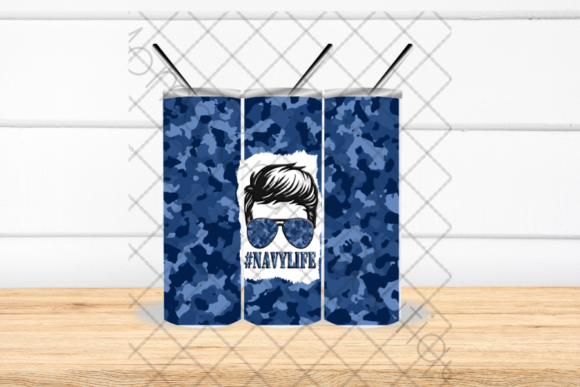
The "Tumbler" niche deserves specific attention. Tumblers are cylindrical canvases, which presents a unique spatial challenge. A design that works well on a flat poster might warp awkwardly when wrapped around a cup. Good military designs for tumblers account for this curvature. They are often segmented or sized specifically to fit standard 20oz or 30oz skinny tumblers. This is a practical consideration that separates a professional-looking product from an amateur one. When evaluating a "Tumbler" design, look for how well the elements are balanced; they should feel integrated into the shape of the drinkware, not just slapped on top.
Navigating Trademarks and Commercial Safety
This is perhaps the most critical aspect of working with military themes. The armed forces take their branding very seriously. Logos, specific insignia, and even certain combinations of words can be trademarked. For the small business owner or hobbyist selling at craft fairs, using a trademarked logo without a license is a legal liability that can shut down a shop overnight.
This is the "Why" behind sourcing designs from a responsible provider. A duo that explicitly states they do not work with trademarked or copyrighted material is doing the heavy lifting of legal compliance for you. It allows you to create "Man" or "Navy" themed gifts and merchandise with peace of mind. You are buying the aesthetic and the vibe without the risk of a cease-and-desist letter. This distinction is vital for anyone looking to build a sustainable brand identity in the military niche.
Technical Execution and Workflow Integration
For the designer or crafter, the workflow is everything. Receiving a ZIP file that includes a high-resolution PNG with a transparent background is the industry standard for a reason. It allows for immediate layering in software like Canva, Photoshop, or Procreate. It also allows for clean importing into design space software for cutting machines.
However, the value of a 400 DPI file goes beyond just sharpness. It provides flexibility. You can scale the design up for a large sign or down for a small pocket logo without losing quality. This versatility is essential for content creators who might need to use the same asset across multiple platforms—perhaps a large graphic for a YouTube thumbnail and a smaller version for a merchandise tag.
Font Pairing and Context
While the core of these collections might be graphics, the typography used within them sets the tone. Military fonts tend to be heavy, sans-serif, and blocky. If you are adding your own text to accompany a "Navy Life" graphic, your font pairing choices matter. Avoid pairing these bold, authoritative graphics with delicate script fonts. Instead, look for clean sans-serifs that can stand up to the weight of the military imagery. The goal is cohesion; you want the text and the image to speak the same language of strength and clarity.
The Human Element: Support and Community
Finally, the value of a digital asset is often defined by the support behind it. In the world of digital downloads, it is easy to feel like you are shouting into the void when a file won't upload or a cut line looks jagged. Knowing that there is a "Mother-in-law and Daughter-in-law duo" behind the operation changes the dynamic. It suggests a level of care and accountability that automated marketplaces often lack.
Engaging with a community, such as a dedicated Facebook group, offers additional value. It’s a place to see how others are interpreting the "Navy" and "Man" designs in real-time. It provides inspiration for color combinations, material choices, and product applications that you might not have considered. For the creative professional, this ecosystem of assets, support, and community is what turns a simple digital file into a successful product.